








《누구나 스스로를 혐오한다》
강철규 박희민 성재윤 윤결 이립 이현수
2025.12.09.-2026.02.07.
12:00-19:00(일, 월 휴관)
기획: 권혁규
협력 및 진행: 허호정, 한희
그래픽 디자인: yfactorial
기술지원: 조형준
주최 주관: 뮤지엄헤드
후원: 한국문화예술위원회
도움: 김병찬, 박세연
본 전시는 “한국문화예술위원회 2025 시각예술창작주체” 지원금의 지원을 받아 운영되었습니다.
혐오가 취미이자 취향, 버릇처럼 난무한다. 이 최악의 시절, 인간은 마치 혐오를 위해 존재하는 듯 보인다. 혐오는 왜 즐겁기까지 한 일이 되었을까? 그것을 추동하는 건 실상 치졸한 욕망들이다. 오늘 그 욕망들은 먹고 마시고 입는 미시적 일상의 층위에서부터 사회, 문화 전반의 넓은 영역에 이르기까지 일종의 규범처럼 유통된다.
혐오의 그물이 촘촘해지고 대상이 협소해지면 자기 자신을 겨냥한다. 나의 외모, 신체, 가족, 친구, 직업, 환경 등 내가 비치는 거의 모든 것이 틀림과 문제를 견주는 상황의 중심에 놓인다. 그렇게 혐오는 가장 먼 곳에서 가장 가까운 곳까지, 심지어는 자기 안으로까지 번진다.
자기혐오는 우울과 수치, 인정 욕구와 충동, 상처와 봉합을 반복적으로 오간다. 그것은 타자의 시선을 내재화하여 자신을 진단하고 서사화하는 과정에 빚어지는 각종 (불)일치의 산물일지 모른다. 내부에서 일어나는 끊임없는 갈등은 끝내 폐쇄회로 속에 ‘나’를 가두고, 스스로와 타자를 동시에 부정한다. 혐오는 언제나 타자를 경유해 자기에게 돌아오고, 역으로 자기 자신을 매개로 타자를 겨눈다. 이처럼 타자 혐오와 자기혐오는 서로를 반향하며 증식한다.
이 혐오의 증식을 파괴적 자폐의 논리에서 구출할 수 있을까. 자기혐오가 만성적 우울과 자기 파괴로 귀결되지 않고, 자기 성찰과 관계의 재조정이라는 전환의 순간으로 이어질 수는 없을까. 전시는 자기혐오의 도취나 절망의 충동을 넘어, 위장 없는 자기대면을 통해 스스로를 다시 세우는 태도에 주목하다. 여기서 혐오는 파괴적 감정이라기보다 감각의 계측기로, 미움 자체가 아닌 그 미움이 가리키는 기울어진 세계의 각도를 드러낸다. 그것은 죽음이나 파괴와 동일시되지 않고 생의 잔존을 옹호하는 편에 선다.
얼핏 자신의 불행에 기뻐하는 듯한 장면들은 세계의 문제를, 있는 그대로 받아들여지지 않는 또는 받아들일 수 없는 대상들을 기꺼이 끌어당긴다. 그 안에서 긍정하고 지지하고 또 비난한다. 여기서 자기혐오는 세계를 나와 별개의 것으로 밀어내는 행위가 아니라 내 일부처럼 직시하며 해소하려는 시도이다. 내가 믿는 가치를 쉽게 내어주지 않으려는 마음이며, 내가 경멸하는 것이 세상에 당연하게 받아들여질 때 자기애를 내려찍고 어떤 무엇을 지켜내는 마음이다. 그것은 세계를 견디는 방법일지도, 심지어 모종의 정의감과 맞닿아 있는지도 모른다.
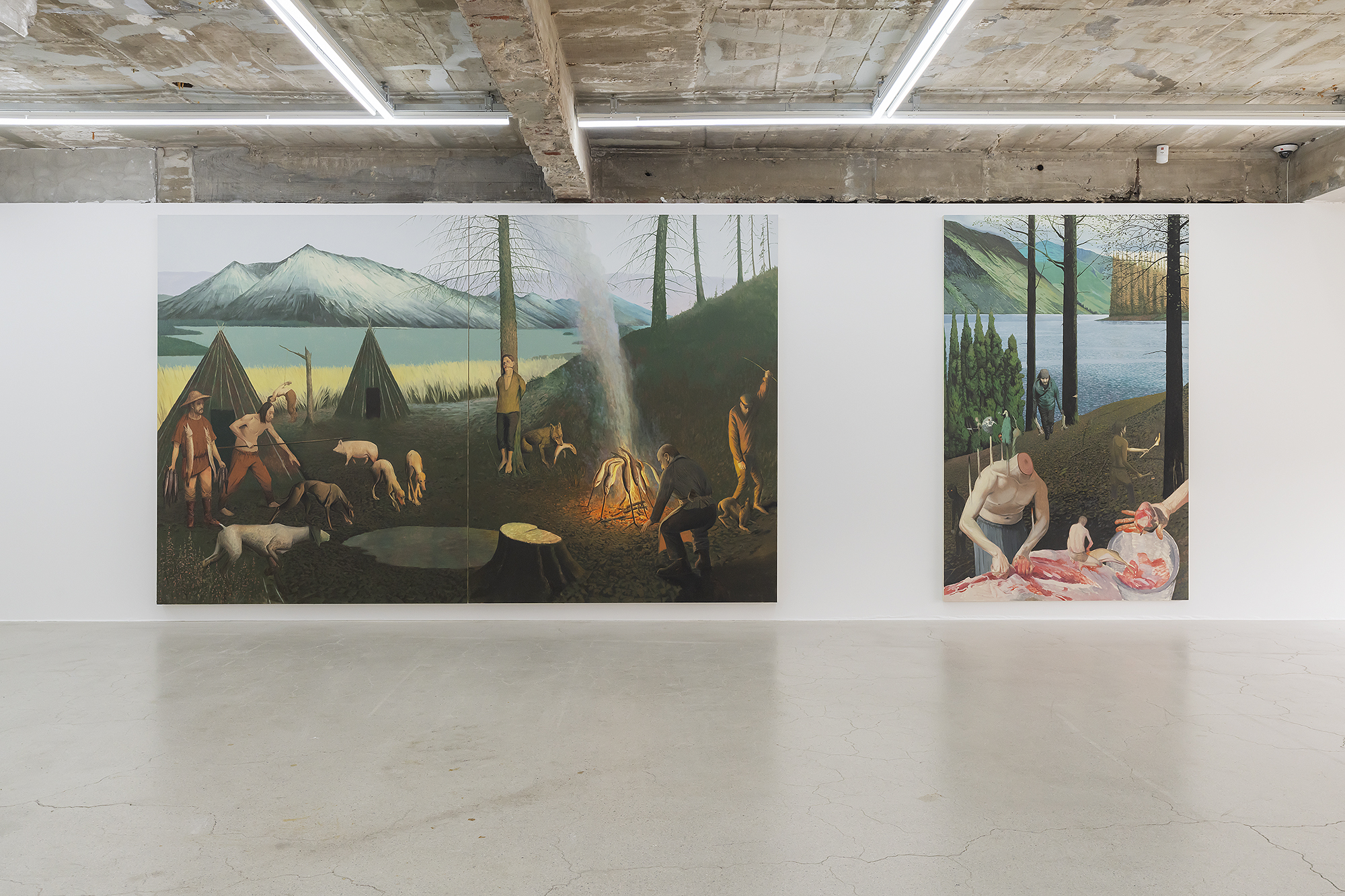
강철규의 회화에는 사냥과 도살의 장면이 등장하곤 한다. 가해자도 피해자도 없는, 누구도 완전히 무고할 수 없는 세계의 운명이 뚜렷하게 그려진다. 모든 희망이 소진된 것 같은 이 잔혹함 속에서 어떤 질문과 사고는 선명해진다. 세계에 대한 의심이 다시 살아나고, 만족 없는 개인과 그 욕망의 가장자리를 다시 들여다보게 한다. 세계의 운명과 욕망을 의심하기, 감정이 끝나는 지점에서 상황을 뒤집어보기. 이것은 스스로를 혐오하고 경멸할 최소한의 이유가 된다. 그렇게 세상을 충분히 의심하며 혐오를 되짚어볼 때, 어떤 부조리함은 악행에 길을 내어주고 있음을 자각하게 된다.
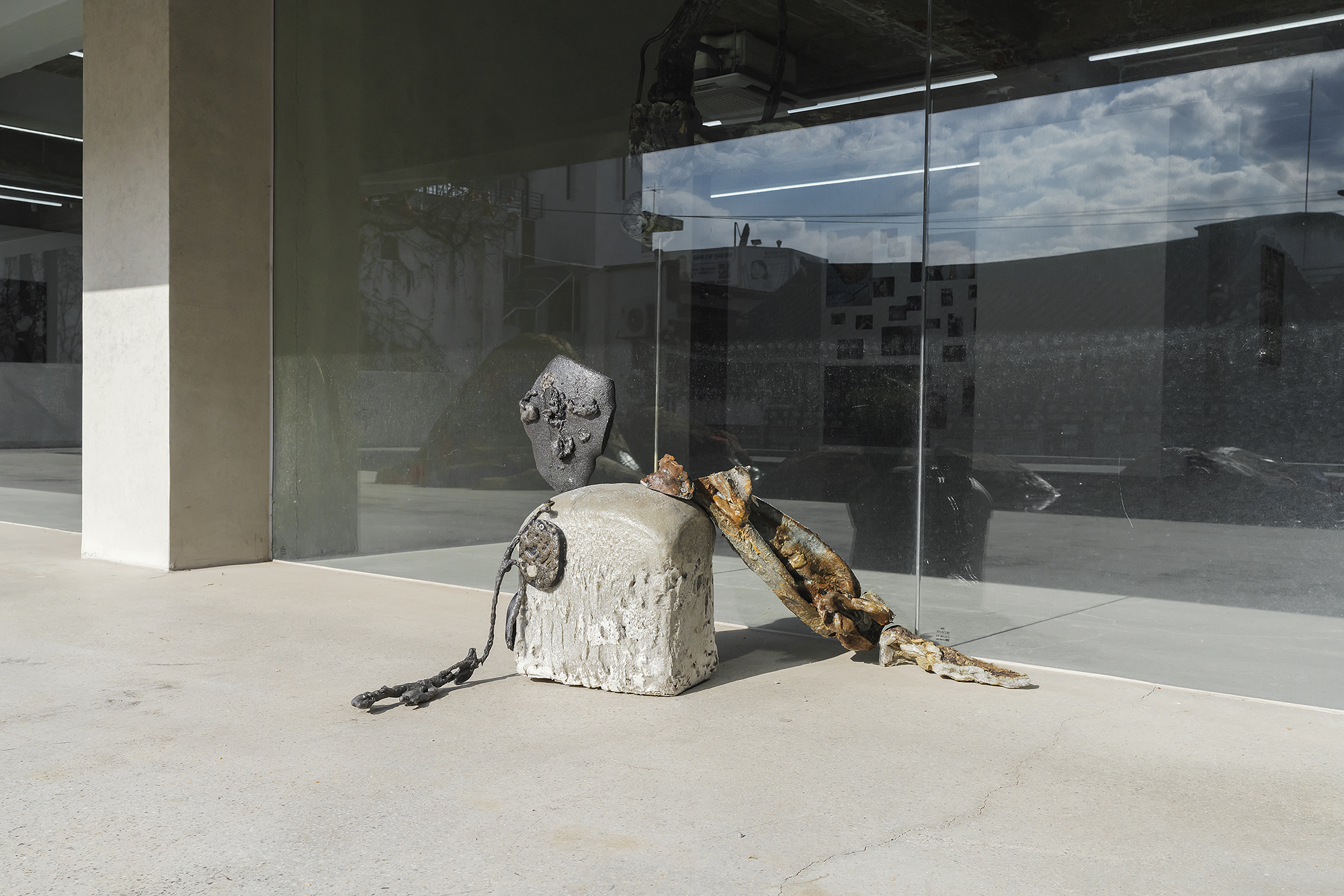
박희민의 검은 조각들은 자족적 세계가 타인의 세계와 마주쳐 모종의 짝을 이루는 상황을 물질화한다. 주로 우레탄, 실리콘, 숯 등을 재료로 삼는 조각은 짝이 되기 위해 스스로의 세계를 변형·수정한다. 결함·비대칭·오류를 여실히 드러내는 몸은 자기애의 확장으로만 작동하지 않는다. 오히려 그것은 자기혐오를 통해 모종의 분열을 자처하며 운신의 폭을 좁힌다. 다만, 그렇게 줄어들고 부서진 자기는 불확정적인 약동을 통해 사회가 제도화한 단일 개체의 관념을 벗어나고 어지럽힌다. 여기서 자기혐오는 쉽게 허락되지 않는 개인의 복수화를, 어떤 해체의 형태를 상상한다.
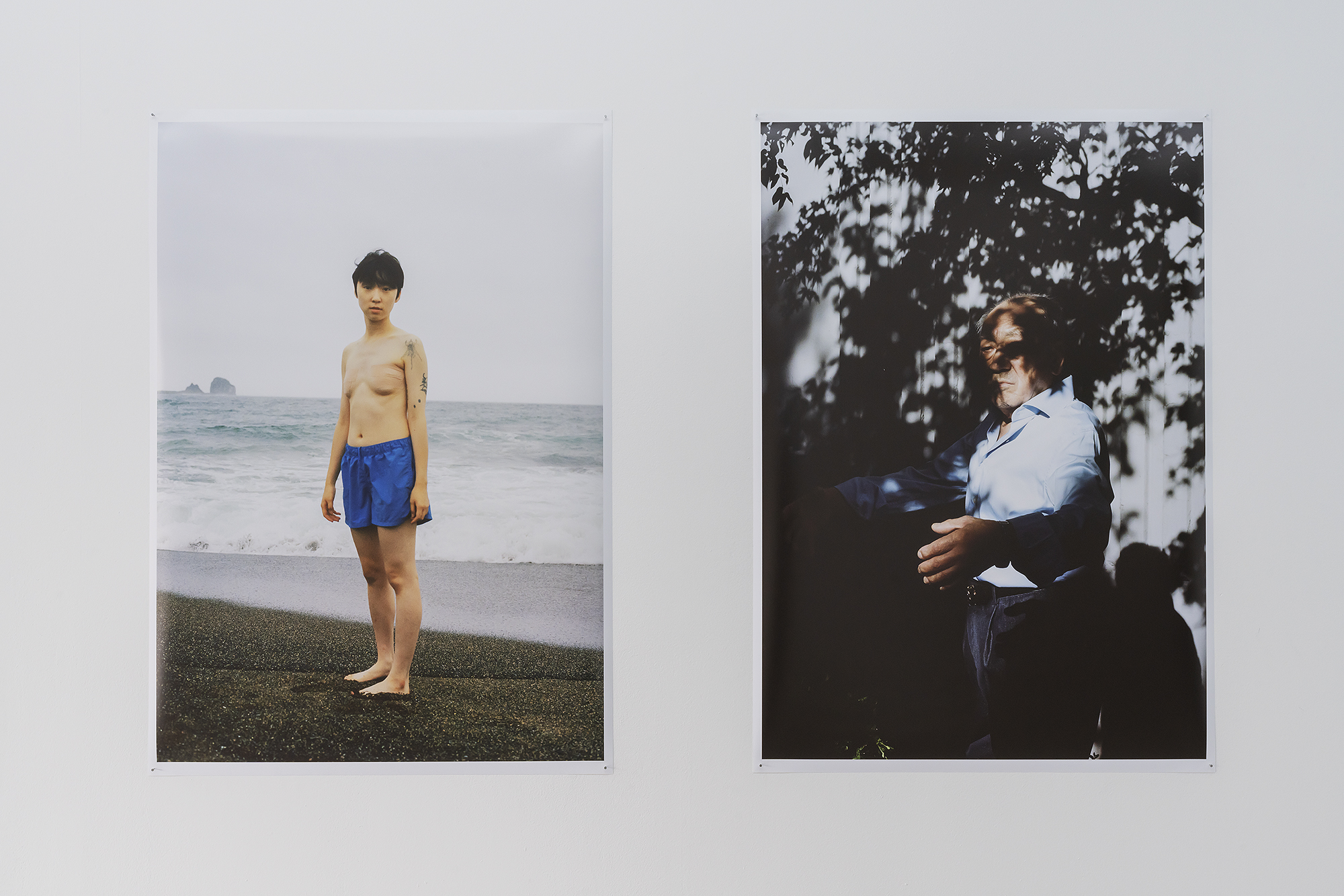
성재윤은 자신의 퀴어 정체성을 드러내는 사진을 그것과 전혀 무관해 보이는 석웅(할아버지)의 사진과 뒤섞는다. 그리고 밤의 거리에서 만난 사람과 풍경을 거기 다시 덧댄다. 세계들은 서로 무심하게 끼어들고 밀어내고 어그러뜨린다. 재윤은 석웅이 가진 남성성을 조롱하기도 또 욕망하기도 하고, 가정의 안락함은 거리의 현란함을 망각하기도 추억하기도 한다. 여기서 질투는 자신에 대한 자각과 자기혐오를 전제로 한다. 작가는 석웅에게 갖는 기형적 감정을 숨기지 않고 드러내듯, 타인과 세계를 파괴하지 않고 스스로를 보다 분명히 직시하고 드러내는 관계의 장면을 만들어 낸다.
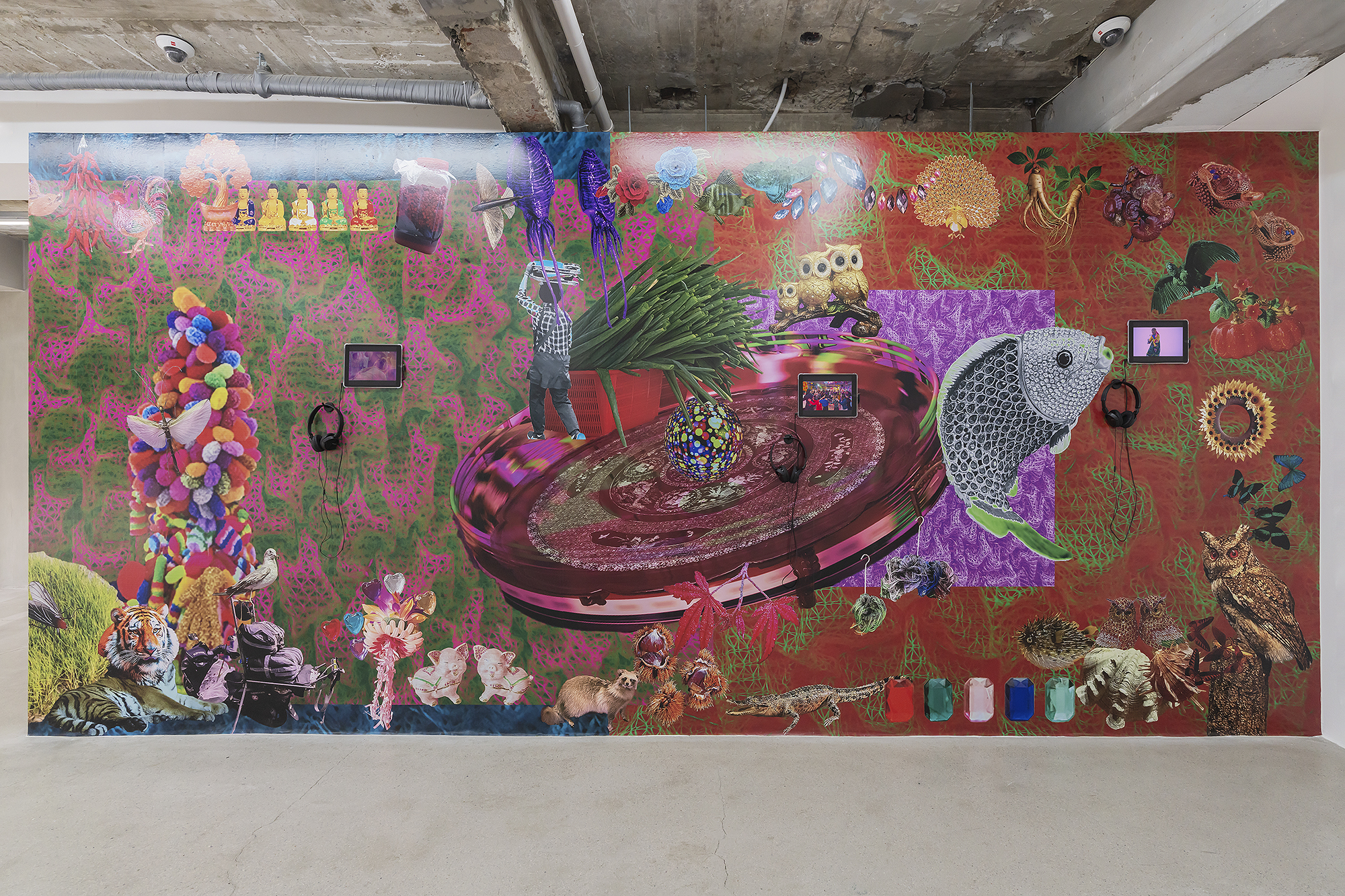
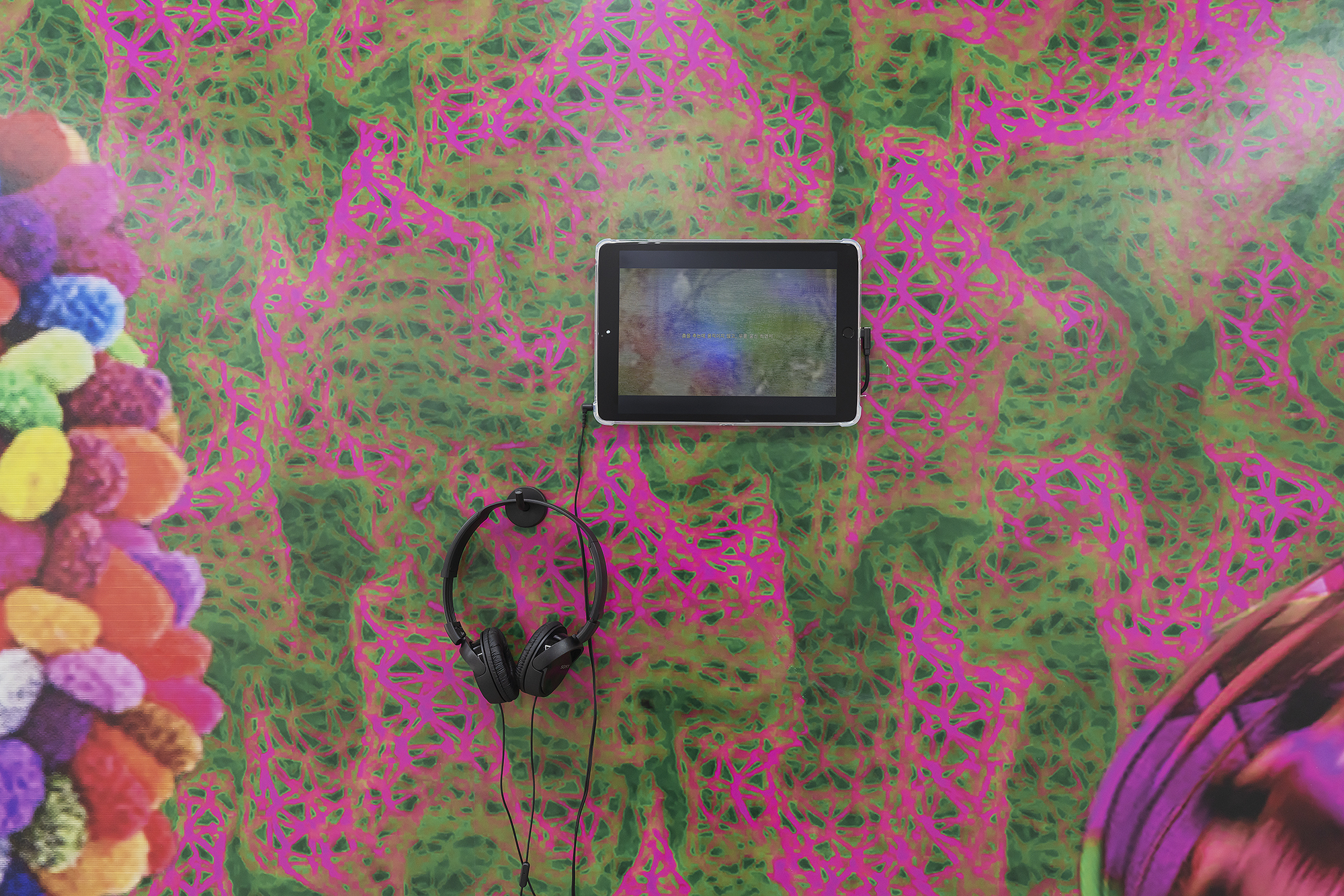
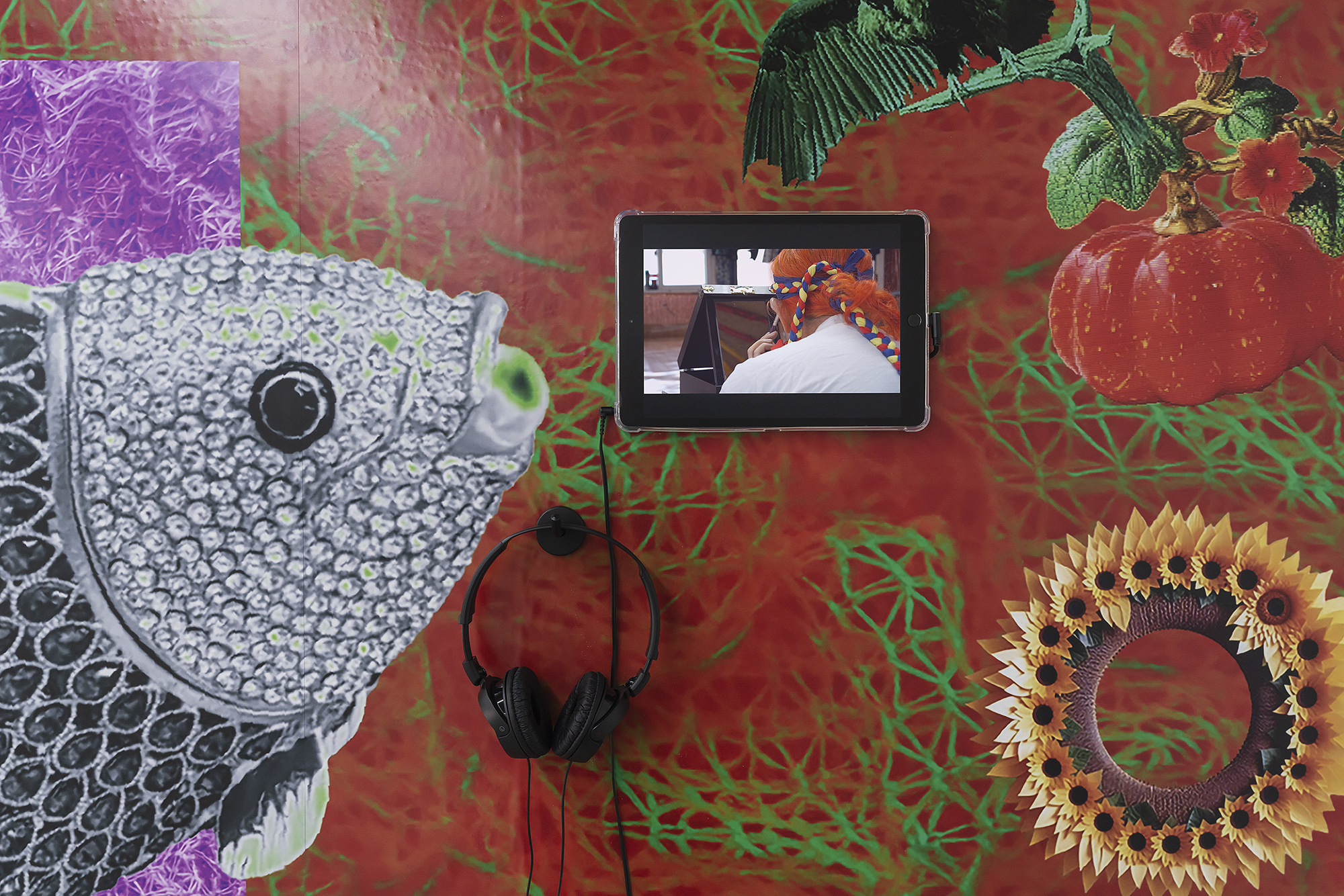
윤결은 사회의 중심에서 밀려나 ‘천한 것’, ‘불편한 것’으로 여겨지는 존재들을 들여다본다. 지난 5년간 각설이 품바를 연구한 그는 외설적 소비와 희화화 속에 가려진 전통에 대한 오해와 편견을 읽어낸다. 그리고 어떤 불쾌한 공존 속에서 스스로를 발견하고 공감하고 유희한다. 작가는 젠더 패러디와 성 역할의 전복을 수행해온 품바가 한국 고유의 정서와 기록되지 않은 하위문화를 드러내는 장르라고 본다. 이를 ‘드랙’을 포함한 동시대 문화의 면면과 연결하며, 배제된 이야기들이 여전히 춤과 소리로 남아 다양한 정체성을 발화하고 있음을 보여준다.
이립은 중력에 맞서 균형을 잡으며 불안정하게 서 있는 여성의 신체를 구축해왔다. 여성 브레이크 댄서의 동작을 닮은 조각은 완결된 형태라기보다 아직 무너지지 않은 상태, 혹은 쓰러짐을 잠시 유예하는 자세로 다가왔다. 이번 전시에서 작가는 그 균형잡기의 또 다른 장면을 야외 앞마당 수반(水盤)에 위치시킨다. 작품은 회복을 위해 반식욕을 하는 것처럼 보이기도, 욕망과 긴장을 모두 내려놓은 채 풍장을 기다리는 지친 육체처럼 보이기도 한다. 추운 겨울 날씨에 스스로를 내어준 조각의 장면은 휴식과 체념, 포기와 해방이 서로를 잠식하는 의도된 혐오로, 그것의 기묘한 안도이자 감정적 고양으로 다가온다.
이현수는 아버지를 그린다. 그것은 한 남성을 재현하는 일이기보다 폭력과 공포, 연민과 애정을 동시에 더듬는 작업에 가깝다. 그는 늙고 병들어 생일 초조차 끄지 못하는, 종일 멍하니 앉아 있는 아버지를 그리며 종종 자신의 얼굴을 참고했다. 둘의 얼굴은 닮았을 테니까. 아버지는 세상을 떠났지만, 그림은 결코 엄숙해지지 않는다. 형형색색의 파스텔로 그려진, 한때 공포의 대상이었던 아버지의 얼굴은 어떤 기억을 터무니없이, 거의 조롱하듯 화사하게 만든다. 동시에 너무 밝아 바라보기 어려운 빛처럼 무언가를 증발시킨다. 작업의 농담은, 또 그 눈부심은 아빠와 아들의 거리를 교란하고 또 교차시키는 자리가 된다.
기획/글 권혁규
𝐀𝐧𝐲𝐨𝐧𝐞 𝐇𝐚𝐭𝐞𝐬 𝐀𝐧𝐲𝐨𝐧𝐞
KANG Cheolgyu PARK Heemin SUNG Jaeyun YOON Gyeol LEE Leap LEE Hyunsoo
09.Dec.2025 – 07.Feb.2026.
12:00-19:00(closed on Sun, Mon)
Curated by KWON Hyukgue
Curatorial Team: HUR Hojeong, HAN Hui
Graphic Design: yfactorial
Technical support: CHO Hyungjoon
Hosted and Organized by Museumhead
Supported by Arts Council Korea
Thanks to KIM Byungchan, BAC Se yon
Hatred thrives like a hobby, a preference, a habitual gesture. In these worst times, human beings almost seem to exist for the sake of hate. How did hatred become something even pleasurable? What drives it are, in truth, petty desires. Today those desires circulate like a kind of norm. Starting from the microscopic layers of everyday life such as eating, drinking, and dressing, to the wider spheres of society and culture.
As the net of hatred grows tighter and its target gets narrower, it turns toward oneself. My appearance, body, family, friends, job, environment, nearly everything reflected as ‘me’ is placed at the center of situations in which flaws and faults are constantly measured. In this way, hatred spreads from the farthest to the closest, even permeating inward to oneself.
Self-hatred moves back and forth between depression and shame, desire for recognition and impulse, wounding and repair. It may be a product of various (in)consistency forged in the process of internalizing the gaze of the other, diagnosing oneself, and narrativizing one’s being. The endless inner conflict ultimately traps ‘me’ inside a circuit of closure, negating both oneself and the others at once. Hatred always returns to oneself via the other and conversely uses the self as a medium to target the other. In this way, hatred of others and hatred of oneself echo and multiply each other.
Can this proliferation of hatred be rescued from the logic of destructive autism? Can self-hatred not lead to chronic depression and self-destruction but to a moment of transition toward self-reflection and the readjust of relations? This exhibition turns its attention not to the intoxication of self-hatred nor the impulse of despair but to an attitude of reconstituting oneself through an unmasked confrontation. Here, hatred is not a destructive emotion. It is a sensor of perception, revealing the tilted angle of a world that hatred points to, rather than hatred itself. It does not identify with death or destruction but rather stands on the side that affirms the remain of life.
Scenes that appear as if one delights its own misfortune willingly draws in the world’s problems, things that are not, or cannot be accepted as they are. It affirms, supports, and also criticizes inside them. Here, self-hatred is not an act of pushing the world away as something separate from oneself. It is an attempt to confront and dissolve it as if it were part of oneself. It is the refusal to easily give up the values one believes in, a determination to protect something even by striking down one’s self-love, when what one despises becomes casually accepted by the world. It may be a way of enduring the world, perhaps even touching upon a sense of justice.
KANG Cheolgyu’s paintings often depict scenes of hunting and slaughter. The fate of a world where neither perpetrator nor victim can be rendered entirely innocent comes starkly into view. Amid this cruelty, where all hope seems to be exhausted, certain questions and lines of thought grow sharper. Doubt about the world revives, the unsatisfied individual is pushed to look again at the edges of desire. Doubting the fate of the world and its desires, flipping the situation at the point where emotion ends. This becomes the minimal reason for loathing and scorning oneself. And when one sufficiently doubts the world and retraces hatred, it realizes that some absurdities have been yielding the path for wrongdoing.
PARK Heemin’s black sculptures materialize the moment when a self-contained world encounters the other’s world and forms some kind of pairing. Sculptures made primarily with urethane, silicone, charcoal, and other materials deform and modify themselves in order to become a pair. Bodies that openly reveal their defect, asymmetry, and error do not simply operate as extensions of self-love. Rather, they choose to split through self-hatred, narrowing their room for movement. Yet, this diminished and fractured self, escapes and disrupts the idea of a single individual which is institutionally defined through its indeterminate pulsation. Here, self-hatred imagines a multiplication of self which is not allowed easily, a form of decomposition.
SUNG Jaeyun intermingles photographs expressing its queer identity with images of Suk-woong (his grandfather), which appears to be entirely unrelated. People and scenes encountered in the city at night are overlayed during this process. Worlds intrude, push away, and distort each other with indifference. Jae-yoon both mocks and desires the masculinity Suk-woong embodies. The comfort of home both forgets and recalls the dazzle of the streets. Here, jealousy presupposes self-awareness and self-hatred. Just like refusing to conceal the deformed emotions towards Suk-woong, the artist creates scenes of relationship. Ones that do not destroy others or the world but instead allowing to face and reveal oneself more clearly.
YOON Gyeol looks inside beings that are pushed out from the center of society, those considered ‘lowly’ or ‘uncomfortable’. Over five years of studying Gakseori Pumba, the artist reads out the misunderstandings and prejudices concealed beneath the layers of obscene consumption and caricature. Within this discomfort coexistence, it finds, empathizes, and plays alongside oneself. The artist regards Pumba, which has longly enacted gender parody and the subversion of sexual roles, as a genre revealing Korea’s distinct sensibilities and undocumented subcultures. Connecting with the aspects of contemporary culture including ‘Drag’, it shows how excluded stories still remain in dance and sound, continuing to voice diverse identities.
LEE Leap has constructed the unstable, balancing female body that stands precariously against gravity. Resembling the movements of female breakdancers, her sculptures represent bodies that are not yet collapsed rather than completed, posture that momentarily postpone the falling. In this exhibition, the artist situates another such scene of balance in the outdoor water basin at the front yard. The work may seem to depict someone taking a half bath for recovery, or a weary body surrendering all the desire and tension waiting for wind burial. The scene of sculpture exposing itself in the cold winter is an intentional form of hatred where rest and resignation, surrender and liberation consume one another. It arrives as a strange relief and emotional elevation.
LEE Hyunsoo draws his father. This is an act of groping through violence and fear, pity and affection rather than just portraying a man. When depicting his aging, sick father who could no longer blow out his own birthday candles and spent days sitting in a daze, the artist often referenced his own face. After all, the two would resemble each other. Although his father has passed away, the paintings never slip into solemnity. Drawn in vivid pastel colors, the face once fearsome becomes absurdly, almost mockingly bright. Like a light too bright to behold, something is evaporated at the same time. The work’s humor, and its glare becomes the place where the distance between father and son is disturbed and crossed over.
KWON Hyukgue